Empowering Seniors to Engage in Fitness Through Evidence-Based Fitness Guidelines
Wiki Article
Staying active is important for individuals of every age group, but it grows especially important as people grow older. For elders, consistent exercise helps maintaining autonomy, supports movement, and improves quality of life. Comprehensive training frameworks offer seniors with structured strategies to wellness that cover coordination, range of motion, strength, and resilience. By adhering to professionally developed exercise routines, seniors can elevate their quality of life while reducing the likelihood of falls, health conditions, and cognitive decline.
Staying fit for aging individuals is not limited to demanding routines or rigorous gym workouts. It centers instead on safe, consistent, and maintainable movement that fits individual capacities. Exercises such as leisure walking, stretching, chair yoga, and light resistance training assist maintaining range of motion and firmness. Cardiovascular exercises like aqua aerobics or recumbent cycling boost heart health, which are key for supporting daily energy and performance. These forms of activity also promote brain health, as studies have indicated that regular exercise can enhance mental clarity, emotional well-being, and focus.
Thorough exercise guidelines emphasize a well-rounded strategy to wellness, covering muscular, emotional, and social factors of lifestyle. Seniors are encouraged to ease in and move forward at a steady rate, ensuring injury prevention while avoiding strain. Including mobility sessions prevents strain, while adequate like it water consumption and nutrition complement exercise routines. Additionally, community-based programs—such as group fitness classes or community walking programs—offer avenues for peer support, motivation, and emotional support, which are just as vital to total wellness.
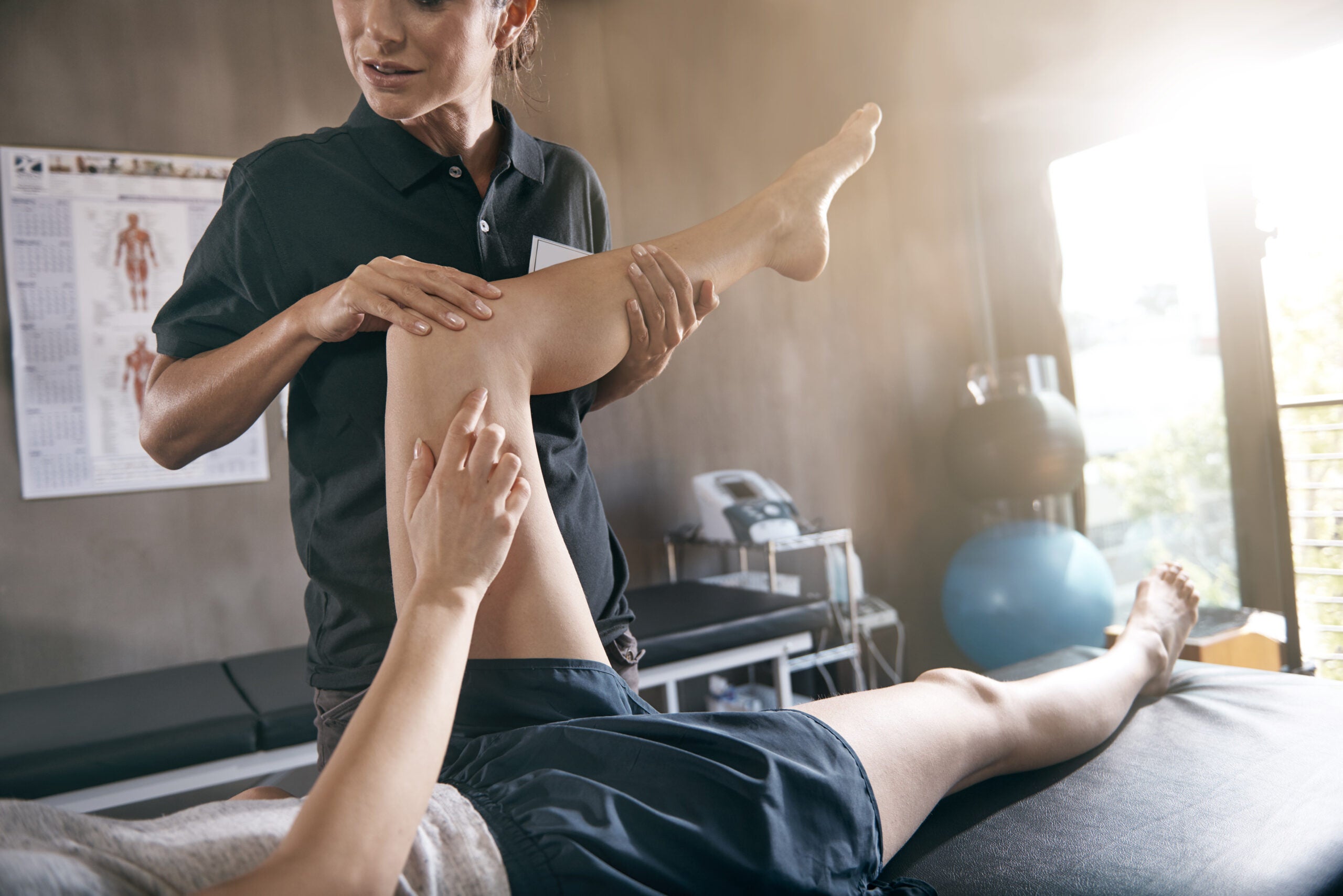
Qualified instruction acts as a crucial part in assisting seniors build tailored exercise plans. Consulting medical professionals, rehabilitation specialists, or exercise professionals verifies that routines are aligned to individual health conditions, fitness levels, and objectives. These professionals can suggest effective training methods that account for issues such as arthritis, bone fragility, or heart health concerns. Through ongoing monitoring and revision, training programs continue to be productive and rewarding, promoting sustained engagement and achievement.
Overall, motivating elders to participate in wellness through inclusive fitness frameworks creates a mindset of lifelong movement. When seniors are provided with information, inspiration, and guidance, they build confidence in their mobility and experience greater autonomy. Sustained fitness boosts not only body health but also cognitive health and psychological balance. By promoting accessible, well-guided fitness programs, communities can enable that all find out participants has the means to lead a active, vibrant, and fulfilling life.